RC hobbies bring happiness by combining hands-on building, friendly competition, skill growth and a welcoming community in one screen-free activity. Whether you crawl a 1/24 scale trail truck, drift a rear-wheel-drive car or race HO scale slot cars, remote control hobbies give you a reason to unplug, learn something new and have fun with other people. This guide explains why RC hobbies are so rewarding, which type fits you, and how to get started.
What Are RC Hobbies?
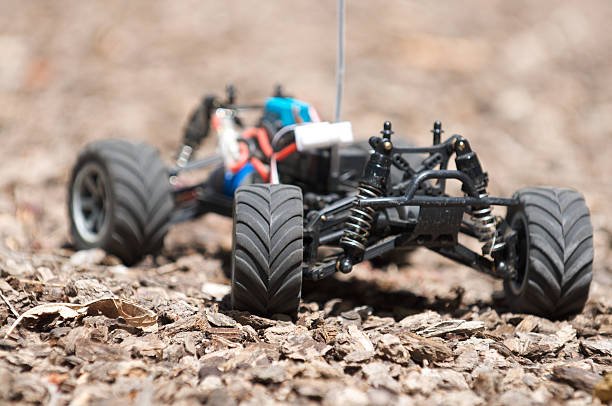
RC hobbies are pastimes built around radio-controlled vehicles such as cars, trucks, crawlers, drift cars, boats and aircraft, all driven with a handheld transmitter. Also called remote control hobbies, they range from ready-to-run beginner models to fully custom race machines. Related hobbies, like HO scale slot car racing, share the same appeal: small, fast, detailed vehicles and plenty of people to enjoy them with.
Why Do RC Hobbies Make You Happy?
RC hobbies make people happy because they mix focused play, visible progress and social connection. Unlike passive entertainment, you are actively driving, building and problem-solving, which tends to feel more satisfying than scrolling or watching. Here is what most hobbyists point to:
- Focus and flow: Navigating a rock course or holding a drift line takes full attention, which gives your mind a break from daily worries.
- Play for adults: Driving a tiny truck over obstacles is simply fun, and it gives grown-ups permission to play.
- Visible progress: Every cleaner lap, smoother drift or finished build shows you are improving.
- Screen-free time: The hobby happens with your hands, your eyes and the real world.
- Community: Shared tracks, race nights and helpful strangers turn a hobby into friendships.
Happiness Benefit | How RC Hobbies Deliver It |
| Stress relief | Focused driving pulls attention away from work and worries |
| Confidence | Mastering a course, a tune or a repair builds real skill |
| Connection | Race nights and club events bring people together |
| Creativity | Custom paint, bodies and upgrades make each car personal |
| Joy | Fast, small and responsive vehicles are just plain fun |
What Types of RC Hobbies Are There?
The main types of RC hobbies are crawling, drifting, mini racing, bashing, boats and slot cars, and each suits a different personality. If you are unsure where to start, match the style to how you like to spend your time.
| Type | Best For | What You Do |
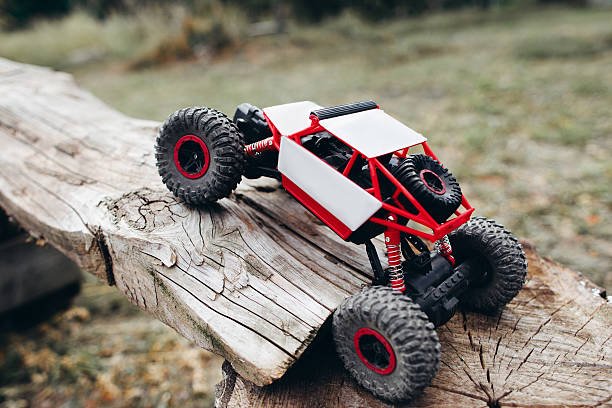
| Crawling | Patient problem-solvers | Guide small trucks through obstacle courses, often in 1/24 scale |
| Drifting | Precision and style fans | Slide cars through corners on a smooth track |
| Mini-Z racing | Tuners and competitors | Race tiny, detailed cars on an indoor track |
| Bashing | Action seekers | Jump and speed monster trucks and short course trucks |
| RC boats | Water lovers | Run brushless boats on open water |
| HO slot cars | Families and nostalgic racers | Race on AFX-style tracks with timing systems |
Are RC Hobbies Good for Stress Relief?
Yes, RC hobbies are a strong stress reliever because they demand just enough concentration to quiet racing thoughts. A crawling course, for example, asks you to read terrain and make small, careful inputs, which feels closer to a calming puzzle than a chore. Building and tuning a car adds a second kind of relief: working with your hands on a task with a clear, satisfying result.
Are RC Hobbies Good for Kids and Families?
RC hobbies are a great family activity because they work across ages and skill levels. A child can drive a ready-to-run truck while a parent tunes a race car, and both are part of the same hobby. Slot car racing and mini crawler courses are especially family-friendly because rounds are short and everyone can join in.
- Parents and kids learn the same skills side by side.
- Short races keep younger drivers engaged.
- Repairs and upgrades become shared projects.
- Events welcome beginners as well as experienced drivers.
Do RC Hobbies Teach Useful Skills?
RC hobbies teach practical skills in mechanics, electronics, patience and sportsmanship. You learn how gears, motors, batteries and suspension work by building and maintaining a car, which is real hands-on STEM learning without feeling like homework. Racing and competing also teach you to handle wins and losses gracefully, which carries over into school, work and life.
How Much Do RC Hobbies Cost?
RC hobbies can fit almost any budget because you can start with a ready-to-run model and upgrade only when you want to. The cost depends mostly on the type of vehicle, how much you upgrade and how often you race. Ask your local shop to help you match a model to your budget.
| Level | Typical Approach | Where the Money Goes |
| Beginner | Ready-to-run car or truck | Vehicle, batteries and charger |
| Intermediate | Add upgrades and spare parts | Tires, motors, servos and tools |
| Advanced | Custom or competition builds | Performance parts and tuning |
What Should You Look for in an RC Hobby Shop?
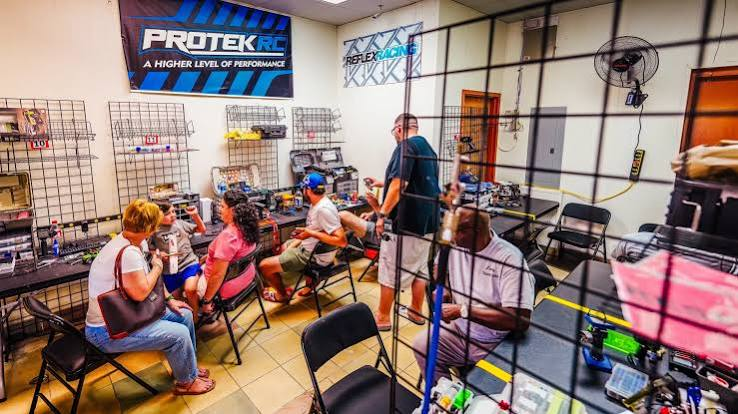
A good RC hobby shop has knowledgeable staff, a wide parts selection and a place to actually run your car. Online listings cannot tell you whether a part fits your model, but an experienced person at the counter can. When comparing remote control car stores, look for these signs:
- Staff who ask about your skills and goals before recommending a car
- A large range of brands, parts and accessories
- An indoor track or course where you can test and race
- Regular events for beginners and experienced drivers
- Help with repairs, tuning and part matching
How Do You Find RC Hobbies Near Me?
To find RC hobbies near you, search for a local RC hobby shop, check its event schedule and visit in person. Shops with their own tracks usually double as community hubs, so you can meet drivers, try different styles and ask questions before you buy.
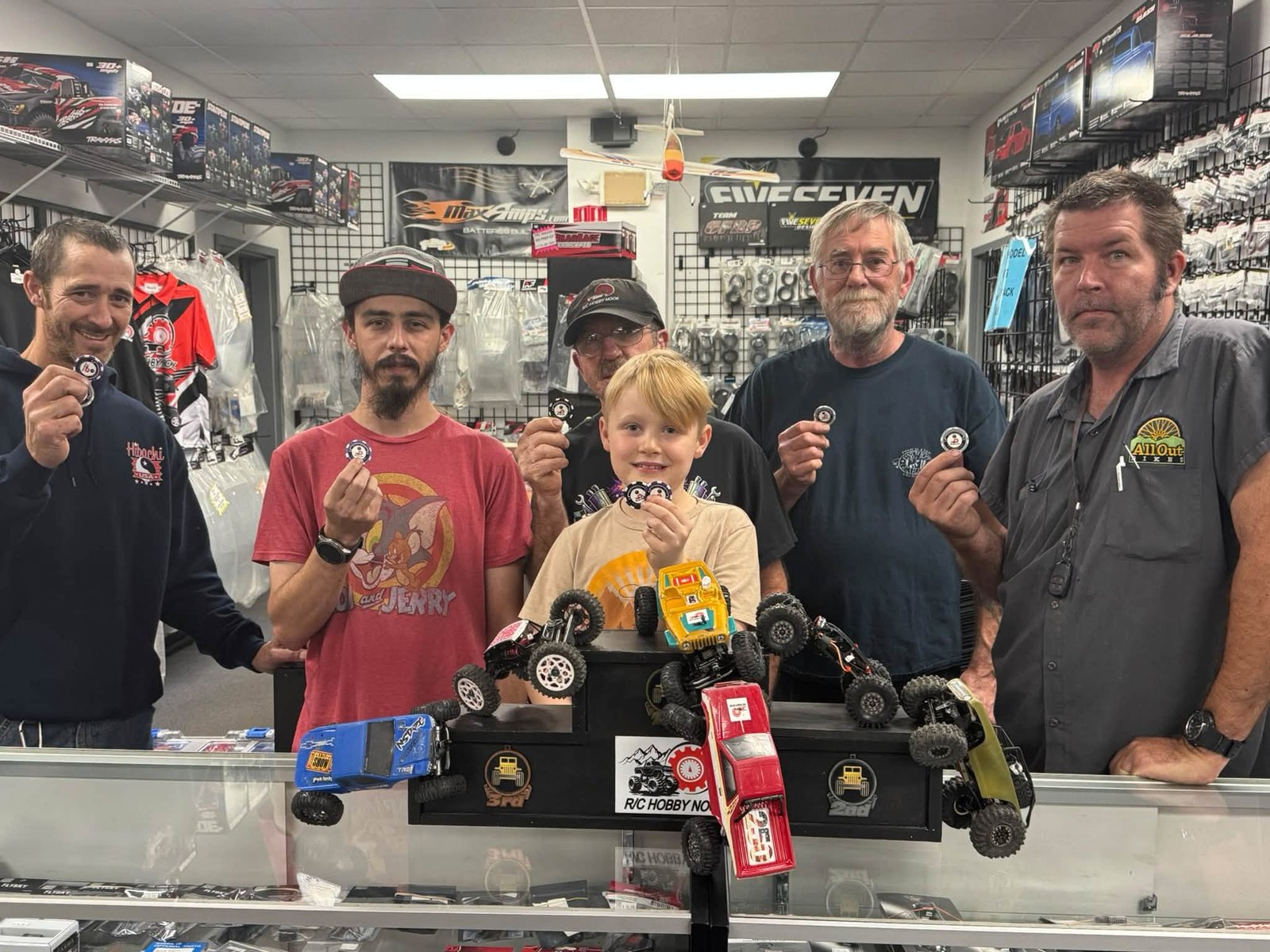
A good example is R/C Hobby Nook in Smithfield, NC, a family-owned shop operating since 2013. It carries over 100 RC brands and thousands of parts and accessories, and it hosts regular events. The schedule below comes from the shop’s website and can change, so confirm with the shop before visiting.
| Event | When |
| Drifting | Sundays, with weekday practice; main season runs October to March |
| Mini-Z racing | Saturday nights at 6:30 pm, April to September |
| HO slot car Fridays | Fridays at 7:30 pm, April to September |
| Crawling (1/24 scale) | Open year-round; Friday and Saturday competitions October to March |
What Should You Do When You Need RC Car Repair Near Me?
For RC car repair near me, take your vehicle to a hobby shop where staff know your brand and can identify the problem quickly. Most breakdowns are simple and fixable, and a shop can often tell you whether a part is worn, broken or just needs adjusting.
Common issues include:
- Broken suspension arms or steering parts
- Stripped gears or worn drivetrain parts
- Servo or steering problems
- Battery, charger or electronics faults
- Loose wiring, bad connections or motor trouble
To speed things up, bring the car, tell the staff your exact model, and describe what happened right before the problem started. Customer reviews of R/C Hobby Nook specifically mention helpful staff who assist with finding the correct parts and fixing issues on cars and trucks.
What Are HO Scale Slot Car Bodies?
HO scale slot car bodies are the detailed shells that sit on top of the chassis of a small slot car, and they define how the car looks. Because the body is separate from the running gear, hobbyists swap, paint and collect them to personalize their racers. Before buying, check that the body fits your chassis size and wheelbase, or ask a hobby shop to confirm compatibility. This is one more way RC and slot car hobbies reward creativity as well as speed.
How Do You Get Started with RC Hobbies?
The easiest way to start RC hobbies is to visit a local shop, pick a type that excites you and begin with a ready-to-run model. Follow these steps:
- Choose your style: Crawling, drifting, racing, bashing or slot cars.
- Visit a shop: Talk to staff, see the cars in person and ask about beginner models.
- Buy a ready-to-run kit: Make sure the batteries and charger are included or add them.
- Learn the basics: Practice driving, charging safely and basic maintenance.
- Join an event: Races and meetups are the fastest way to improve and make friends.
- Upgrade slowly: Add parts as you learn what you actually want to improve.
Final Thoughts
RC hobbies bring happiness and fun to your life because they blend play, skill, creativity and community in a way few activities do. You can start small, learn as you go and find a group that shares your passion. The best next step is simple: visit a local RC hobby shop, pick up a car that excites you and join the fun.