
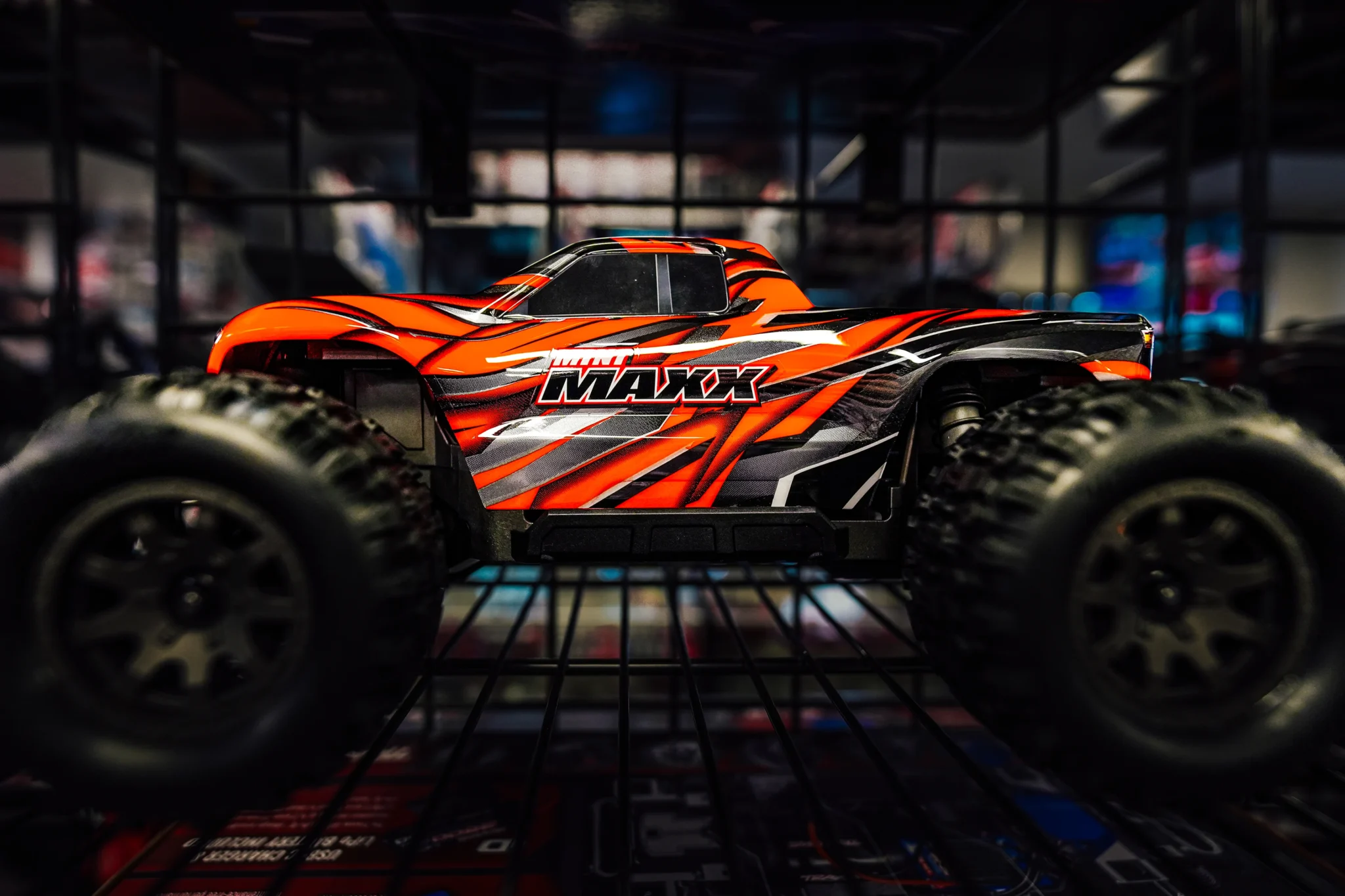
A car drift remote control model is a radio-controlled car with low-grip tires and a gyro-assisted steering system, so it slides sideways through corners instead of gripping them. Most beginners can start for roughly $80 to $150 with a ready-to-run rear-wheel-drive kit, a smooth flat surface, and about an hour of practice.
If you’ve watched a tiny car glide sideways around a cone with perfect control, you’ve probably wondered how it works and where to start. This guide answers the most common questions, in plain language, so you can pick the right gear and start sliding.
What Is a Remote Control Drift Car?
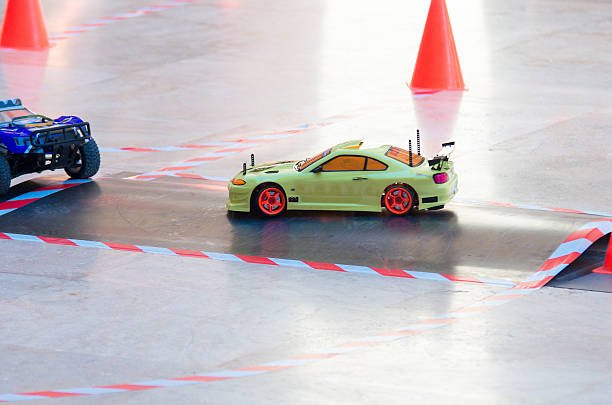
A drift car is built to lose traction on purpose and then control the slide. A normal RC car has grippy rubber tires and aims to go fast in a straight line or hold a racing line. A drifter swaps those tires for hard plastic or PVC compounds and adds a gyro that automatically corrects steering when the rear end swings out.
The result is a car that stays sideways at a steady angle, much like a real drift car on a mountain pass or a closed circuit. The skill is in throttle and steering balance, not top speed.
Key components at a glance:
- Chassis: usually rear-wheel drive (RWD), although all-wheel drive (AWD) versions exist.
- Tires: hard plastic or low-grip compounds that slide easily.
- Gyro: a sensor that counter-steers for you in milliseconds.
- Transmitter and receiver: the radio link, typically 2.4 GHz.
- Body: a lightweight shell, often modeled on real Japanese drift icons.
How Does RC Drifting Actually Work?
Understanding rc drift car drifting comes down to three ideas: weight transfer, traction loss, and counter-steering.
- Weight transfer. When you turn in with a burst of throttle, weight shifts toward the outside rear tire.
- Traction loss. Hard tires on a smooth surface let the rear break loose rather than bite.
- Counter-steering. Once the rear slides, the front wheels point opposite to the turn to hold the angle. The gyro handles much of this, and you add the finesse with throttle.
The throttle is your main tool. More power increases the slide angle, and less power lets the car straighten. Beginners often grab too much throttle, spin out, and assume something is broken. It’s usually just a throttle-control habit that comes with practice.
What Are the Different Types of RC Drift Cars?
Most rc drift cars fall into three categories, and your choice depends on budget, space, and ambition.
1. Ready-to-Run (RTR) Drifters
These arrive assembled with the radio included. They’re the easiest entry point, and most are 1:10 scale. Charge the battery and you’re drifting within minutes.
2. Kit Builds
Kits ship unassembled, so you build the car yourself and choose your own electronics. They cost more and take longer, but you learn how everything works, which makes later tuning and fixing much easier.
3. Micro and Mini Drifters
Scales like 1:24 and 1:28 are small enough for a living room or a tabletop. They’re quiet, affordable, and a great way to learn throttle control without needing a parking lot.
Quick comparison:
| Type | Typical Scale | Best For | Skill Level |
| RTR | 1:10 | Fast start | Beginner |
| Kit | 1:10 | Customization | Intermediate |
| Micro/Mini | 1:24–1:28 | Indoor play | Beginner–Intermediate |
What Should a Beginner Buy First?
Keep it simple. A rear-wheel-drive RTR with a built-in gyro is the best first purchase. Skip expensive brushless motors and aluminum upgrades until you can link several corners without spinning.
Look for these basics:
- A 2.4 GHz radio with adjustable steering sensitivity
- A gyro with gain control, so you can fine-tune how much help you get
- Spare drift tires, since they wear down quickly
- Replaceable, widely available parts
Plan to spend a little extra on a second battery. Drifting is addictive, and a single pack rarely lasts as long as your enthusiasm.
What Makes Cool Drift Cars Stand Out?
The body is the personality of any drift build. Cool drift cars usually borrow from real-world legends: lightweight coupes, boxy hatchbacks, and rear-drive sedans with wide fenders and aggressive stances. Clear polycarbonate bodies let you paint your own livery, add decals, and include tiny details like mirrors, spoilers, and light buckets.
A few tips for a good-looking build:
- Pick a body that fits the wheelbase. A mismatch looks awkward and can rub the tires.
- Paint from the inside. Polycarbonate bodies are painted on the inside, so the paint stays glossy and protected.
- Keep it light. Heavy accessories hurt balance and slide behavior.
Looks matter, but a well-balanced car with a modest body will outdrift a heavy showpiece every time.
Where Can You Drift Your RC Car?
The surface matters more than almost anything else. You want smooth, flat, and low-grip.
Good surfaces:
- Polished concrete
- Smooth asphalt (use harder tires)
- Garage floors
- Purpose-built drift mats
- Interlocking foam or carpet tiles
Poor surfaces: rough pavement, gravel, and grass, which chew tires and make the slide unpredictable.
If you want a dedicated layout, a mini z track gives you a compact, repeatable course with defined corners, which is ideal for practicing consistent lines. The Mini-Z format, at roughly 1:28 scale, was originally built for tiny racers but has become popular with drifters thanks to its small footprint and great parts support.
Can You Use HO Scale Slot Car Bodies on a Drift Build?
This is a niche tip, but it’s worth knowing. Some hobbyists working in very small scales look at ho scale slot car bodies as a source of detailed, lightweight shells for micro-sized builds. They’re tiny, inexpensive, and come in a wide range of styles.
The catch is fitment. HO slot car bodies are sized for slot car chassis, so they won’t drop onto a standard drift chassis. Expect some trimming, test-fitting, and possibly custom mounting. If you enjoy tinkering, it can produce a truly unique micro-scale project. If you want a plug-and-play experience, stick with bodies made for your chassis.
Where Should You Buy Parts and Accessories?
A good rc hobby shop is one of the most valuable resources a beginner can have. Staff can recommend compatible tires, gyros, and batteries, and many shops host drift nights or have small indoor tracks. You can see parts in person, ask questions, and often walk out with the exact screw or bearing you need.
Online stores offer wider selection and sometimes better prices, but a local shop gives you quick answers and community. Many drifters use both: online for big purchases, local for everyday parts and advice.
Where Can You Drift Your RC Car?
The surface matters more than almost anything else. You want smooth, flat, and low-grip.
Good surfaces:
- Polished concrete
- Smooth asphalt (use harder tires)
- Garage floors
- Purpose-built drift mats
- Interlocking foam or carpet tiles
Poor surfaces: rough pavement, gravel, and grass, which chew tires and make the slide unpredictable.
If you want a dedicated layout, a mini z track gives you a compact, repeatable course with defined corners, which is ideal for practicing consistent lines. The Mini-Z format, at roughly 1:28 scale, was originally built for tiny racers but has become popular with drifters thanks to its small footprint and great parts support.
Can You Use HO Scale Slot Car Bodies on a Drift Build?
This is a niche tip, but it’s worth knowing. Some hobbyists working in very small scales look at ho scale slot car bodies as a source of detailed, lightweight shells for micro-sized builds. They’re tiny, inexpensive, and come in a wide range of styles.
The catch is fitment. HO slot car bodies are sized for slot car chassis, so they won’t drop onto a standard drift chassis. Expect some trimming, test-fitting, and possibly custom mounting. If you enjoy tinkering, it can produce a truly unique micro-scale project. If you want a plug-and-play experience, stick with bodies made for your chassis.
Where Should You Buy Parts and Accessories?
A good rc hobby shop is one of the most valuable resources a beginner can have. Staff can recommend compatible tires, gyros, and batteries, and many shops host drift nights or have small indoor tracks. You can see parts in person, ask questions, and often walk out with the exact screw or bearing you need.
Online stores offer wider selection and sometimes better prices, but a local shop gives you quick answers and community. Many drifters use both: online for big purchases, local for everyday parts and advice.
How Do You Maintain and Fix Your Drift Car?
Drift cars are tough, but crashes and wear happen. A little routine care prevents most problems.
After every session:
- Wipe off dust and debris
- Check that screws haven’t loosened
- Inspect tires for flat spots
- Make sure the gyro is secure and the wires are intact
Common issues and quick fixes:
- Car pulls to one side: adjust steering trim or check for a bent link.
- Twitchy steering: lower the gyro gain.
- Slow or weak response: charge or replace the battery.
- Grinding noise: check the gears for debris or wear.
Most beginner problems are simple to solve, and learning basic rc car repair saves money and keeps you on the track instead of waiting on a shop. Keep a small toolkit with hex drivers, a few spare screws, bearings, and a tube of thread lock.
Common Beginner Mistakes to Avoid
- Too much throttle. Smooth inputs beat brute force.
- Gyro gain set too high. It causes shaky, oscillating steering.
- Wrong tires for the surface. Match the compound to the floor.
- Skipping practice laps. Start with simple figure-eights before attempting full tracks.
- Ignoring battery condition. Weak batteries make handling inconsistent.
Final Thoughts
A car drift remote control setup is one of the most rewarding entry points in the RC hobby. It rewards patience, smooth hands, and a bit of mechanical curiosity far more than it rewards a big budget. Start with a simple rear-wheel-drive RTR, find a smooth surface, practice basic patterns, and tune one thing at a time.
As you gain confidence, you can explore custom bodies, micro-scale layouts, and local drift meets, and you’ll find the hobby community is welcoming and generous with tips. Grab your transmitter, find a flat patch of ground, and start sliding.