
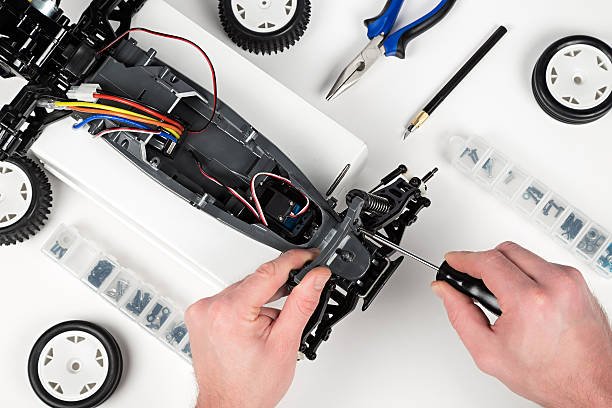
Most RC car repair jobs take under 30 minutes and cost less than $30 in parts. The cause is usually a flat battery, a loose screw, a gritty bearing or a stripped gear, and every one of them is fixable at home. This rc cars guide gives you checklists, tables and step-by-step fixes, so you know how to repair RC car problems quickly and get back to driving.
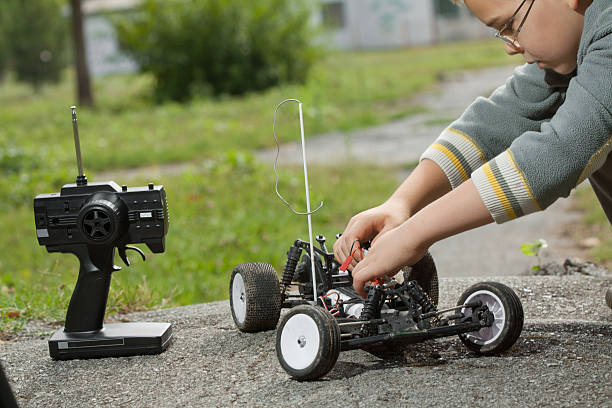
What Are the Most Common RC Car Problems and Fixes?
The seven faults below cause most breakdowns, and the table is the fastest way to diagnose them. It is the core of this rc cars guide, so bookmark it.
| Symptom | Most likely cause | Quick fix |
|---|---|---|
| Won’t turn on | Flat or unplugged battery, faulty switch | Charge, reseat connector, test voltage |
| No response to controller | Lost binding, weak transmitter batteries | Replace batteries, re-bind receiver |
| Runs slow or stutters | Weak battery, dirty motor, tight drivetrain | Swap battery, clean motor, free bearings |
| Pulls to one side | Steering trim off, bent linkage | Re-centre trim, replace linkage |
| Steering buzzes or twitches | Stripped servo gears | Replace the servo |
| Overheats | Over-geared, binding drivetrain | Fit a smaller pinion, clear mud, add a fan |
| Clicking noise | Worn gear or loose slipper clutch | Replace the gear, adjust the slipper |
What Is RC Car Maintenance and Why Does It Matter?
RC car maintenance is the routine cleaning, inspection, lubrication and adjustment that keeps a radio-controlled car reliable. A car that gets ten minutes of care after each run will outlast a neglected one by years. Regular maintenance gives you:
- Faster, more predictable handling
- Fewer expensive breakdowns and rebuilds
- Longer life for motors, gears and batteries
- Small faults caught before they become big ones
What Tools Do You Need for RC Repairs?
A basic RC toolkit is inexpensive and covers almost every job. With these tools you can repair RC car suspension, drivetrain and electronics at home. Proper hex drivers matter most, because cheap L-keys strip screw heads.
| Tool | Used for | Approx. cost |
| Metric hex drivers (1.5, 2.0, 2.5, 3.0mm) | Most screws | 10–25 |
| Nut driver set | Wheel nuts | 10–20 |
| Needle-nose pliers and side cutters | Linkages, wires | 8–15 |
| Thread-locking compound | Metal-to-metal screws | $5 |
| Shock oil and bearing oil | Dampers, bearings | 6–12 |
| Multimeter | Testing battery and wiring | 12–25 |
| Soldering iron | Motor and battery connectors | 20–40 |
How Often Should You Maintain an RC Car?
Give your RC car a quick check after every run and a deeper service every 10 to 15 battery packs. Cars driven on sand, mud or wet grass need attention more often because grit wears parts quickly. Follow this RC cars guide schedule:
- After every run: Brush off dirt, check for loose screws and cracked plastic, and spin the wheels.
- Every 5 runs: Check the gear mesh, inspect the driveshafts and test the steering servo.
- Every 10-15 packs: Clean and oil the bearings, rebuild the shocks and inspect the differentials.
- Every few months: Check the wiring and connectors, and replace worn tyres.
How Do You Clean an RC Car Properly?
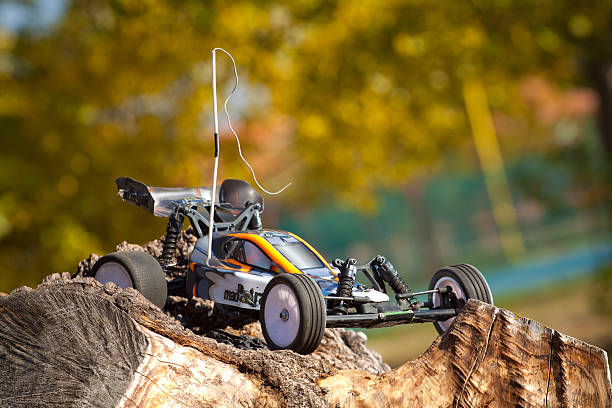
Remove the battery first, then brush and blow off loose dirt before touching anything else. Never soak electronics unless the car is rated waterproof.
- Remove the battery and wheels.
- Clear loose dirt with a soft brush and compressed air.
- Wipe stubborn mud with a damp cloth or old toothbrush.
- Keep water away from unsealed bearings and the motor.
- Let the car dry fully before storing it, because trapped moisture rusts screws and bearings within days.
How Do You Maintain Bearings, Gears and the Drivetrain?
Bearings and gears suffer most from grit, so inspect them regularly. Look for these warning signs:
- Bearings that feel rough or gritty when spun by hand: replace them
- Chipped or worn spur and pinion teeth: replace the gear
- Gear mesh with no play (too tight) or too much play (too loose): reset it to a tiny amount of play
- Slipping or clicking differentials and slipper clutches: service or replace them
A drop of light bearing oil keeps healthy bearings smooth.
How Do You Care for LiPo and NiMH Batteries?
Good battery care protects both performance and safety. Never charge unattended or overnight, and always charge on a fireproof surface. Puffed, dented or hot batteries must be retired and taken to a battery recycling point.
| Battery type | Storage | Key rule |
| LiPo | About 3.8V per cell, in a fireproof bag | Stop driving when power drops to avoid over-discharge |
| NiMH | Charged or partly charged, cool and dry | Avoid leaving it fully drained; cycle it occasionally |
Why Won’t My RC Car Turn On?
An RC car that will not turn on usually has a flat or disconnected battery, a faulty switch or a loose connector. Work through these checks in order:
- Confirm the battery is charged and plugged in firmly
- Make sure the ESC is switched on and its light is lit
- Inspect wires for breaks or burnt insulation
- Test battery voltage with a multimeter
If the ESC shows no light and the battery is good, the ESC has probably failed and needs replacing.
Why Is My RC Car Not Responding to the Controller?
When the car ignores the controller, the transmitter and receiver have usually lost their connection. Replace the transmitter batteries, then re-bind the receiver using your manual. Check that the antenna wire is intact and the receiver is plugged into the correct channels. If only steering or only throttle fails, test the servo or ESC separately.
Why Does My RC Car Run Slow, Stutter or Overheat?
Slow running, stuttering and overheating share the same root causes: a weak battery, a dirty or worn motor, a stiff drivetrain or the wrong gear ratio. Lift the wheels and spin them by hand; if they feel tight, a bearing is seized or a gear is jammed. On brushed motors, clean or replace worn brushes. If the motor is too hot to touch after a run, fit a smaller pinion, clear packed mud and add a heatsink fan.
Why Won’t My RC Car Steer Straight?
Steering faults almost always trace to the servo, linkage or trim. Centre the trim on your transmitter first. Then check the servo saver and ball ends for cracks or looseness. A buzzing, twitching servo has stripped gears and needs replacing, while a bent turnbuckle or arm after a crash will pull the car to one side.
What Are the Parts Most Likely to Break?
Suspension arms, steering knuckles, shock towers, driveshafts, gears and servo horns break most often, because they absorb crash impacts and are designed to fail before the chassis does. Keep spares of these in a small box.
| Part | Why it breaks | Typical cost |
| Suspension arms | Crash and curb impacts | 5–15 |
| Steering knuckles | Front-end hits | 5–12 |
| Driveshafts | Jumps and hard landings | 8–25 |
| Spur and pinion gears | Debris, bad mesh | 5–15 |
| Servo | Stripped gears from impacts | 15–40 |
How Do You Repair RC Car Parts After a Crash?
After a crash, switch the car off, remove the battery and inspect everything before running again.
- Look for cracked arms, bent hinge pins, loose screws and damaged wires.
- Replace cracked plastic rather than gluing it, because glued repairs rarely hold under load.
- Check that each wheel spins freely and the suspension moves smoothly.
- Apply thread lock to metal-to-metal screws.
- Test steering and throttle at low speed before returning to full power.
Should You Repair It Yourself or Use a Professional?
You can handle most mechanical jobs yourself, but a professional is better for complex electronics or when you lack time and tools. If searching rc car repair near me turns up a trusted shop, a quote is cheap insurance against a costly mistake.
| Job | DIY or pro? |
| Replacing arms, gears, bearings | DIY |
| Rebuilding shocks | DIY |
| Re-binding a receiver | DIY |
| Soldering motor leads | DIY with practice, otherwise pro |
| Dead ESC or damaged receiver | Pro, unless you are experienced |
How Do You Find RC Car Repair Near Me?
To find RC car repair near me, start with local hobby shops, which often offer repairs or at least advice and parts. Search online maps for RC hobby shop or RC repair in your area and read recent reviews. You can also:
- Ask members of local RC clubs and tracks for recommendations
- Check whether nearby shops accept mail-in service
- Use online retailers’ parts diagrams and support to fix it yourself
How Should You Store an RC Car?
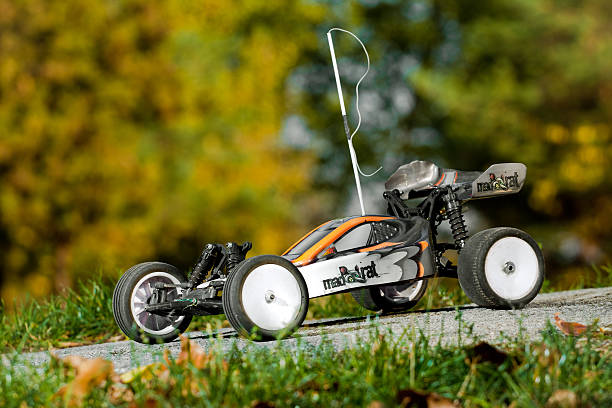
Store your RC car clean, dry and with the battery removed. Good storage prevents rust, tyre damage and battery failure.
- Put the car on a stand so tyres do not flat-spot
- Keep it away from heat, damp and direct sunlight
- Store LiPo batteries in a fireproof bag at storage voltage
- After a long break, check screws and test the electronics at low speed
Putting It All Together
Good maintenance is the foundation of reliable RC car repair. Clean after each run, check screws and bearings often, look after your batteries and learn the common faults above. Keep this rc cars guide handy, and when a problem goes beyond your skills, a local shop or trusted online service is your next step.