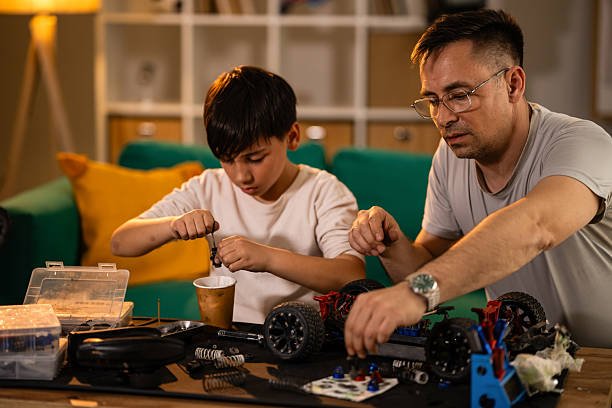
An RC hobby shop is a great place for kids to explore STEM learning because it turns abstract science, technology, engineering, and math into things they can build, test, break, and fix with their own hands. Instead of memorizing formulas, children tune a suspension, measure a lap time, and see the result immediately. For parents searching for an rc car hobby shop near me, this guide explains what kids actually learn, which hobbies teach which skills, and how to start without overspending.
What Makes an RC Hobby Shop a Good STEM Learning Environment?
A good RC hobby shop combines hands-on products, knowledgeable staff, and a community of hobbyists in one place, which is exactly what effective STEM learning needs. Kids can see real engineering up close, ask questions of people who work with it daily, and try their ideas on indoor tracks and courses. Unlike a screen-based activity, every decision has a physical consequence: a loose screw rattles, a different gear ratio changes speed, and a poor setup sends a car into the barrier. That fast feedback loop is the heart of the scientific method.
The main benefits at a glance:
- Hands-on building with real mechanical and electronic parts
- Immediate feedback from track and course testing
- Mentors who explain why a part works the way it does
- Friendly competition that encourages kids to improve
- A community where kids learn from hobbyists of all ages
How Does Building an RC Car Teach Kids Engineering?
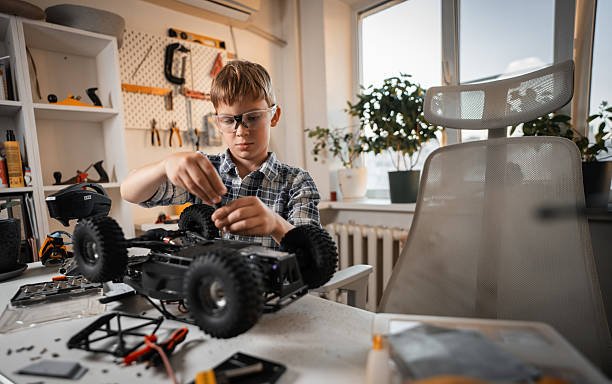
Building and upgrading an RC car teaches engineering because kids must understand how the chassis, suspension, drivetrain, and steering work together as a system. When a child swaps a shock spring or changes a tire compound, they are running a real experiment: change one variable, test, and compare. Hobby-grade models from brands such as Traxxas and Axial use the same ideas found in full-size vehicles, including differentials, shock absorbers, and gear reduction. Kids learn that every design choice involves trade-offs between speed, durability, weight, and control.
Engineering skills kids practice include:
- Reading diagrams and assembly manuals
- Using hex drivers, pliers, and other tools safely
- Weighing trade-offs such as speed versus control
- Recording changes and comparing results
What Math and Physics Do Kids Learn From RC Drifting and Racing?
RC drifting and racing teach physics and math by making forces like friction, momentum, and traction visible in a car’s behavior. A drift car intentionally slides sideways, so kids discover how tire grip, weight distribution, and steering angle interact. Gear ratios and lap times add real numbers they can track and improve. Even a simple question like why a car spun out leads to genuine conversations about friction and centripetal force.
Concepts kids can explore on the track:
- Friction and traction: how tire material affects grip
- Gear ratios: how pinion and spur gear sizes change speed and torque
- Center of gravity: why a low chassis corners better
- Measurement: lap times, battery voltage, and tuning notes
Drifting is also one of the most approachable entry points. Families often ask about affordable rc drift cars, and starting with a drift-ready model makes it possible to learn real vehicle dynamics without a large budget. At R/C Hobby Nook, drifting happens every Sunday, with practice days on Tuesday and Wednesday starting in April, and the main season runs October through March.
How Do Electronics and Technology Fit Into the RC Hobby?
RC vehicles are small electronics labs on wheels, which makes them a natural introduction to technology. A transmitter sends radio signals to a receiver, which tells an electronic speed controller how much power to send to the motor and a servo how far to steer. Kids learn about batteries, voltage, brushed versus brushless motors, and wiring. Adjusting transmitter settings introduces basic programming logic, and race timing systems show how sensors turn a car crossing a line into a lap time.
Tech topics kids encounter:
- Radio control: how signals travel from transmitter to receiver
- Power systems: batteries, voltage, and motor types
- Sensors and timing: how race timing captures results
- Settings: adjusting throttle and steering behavior
Why Are HO Slot Cars Great for Teaching Kids Science?
HO slot cars teach science because they make electricity and friction easy to see on a small track. A slot car uses pickup shoes that touch the track rails to carry electricity to a small motor, so kids quickly learn why clean contacts, balanced weight, and good tires matter. Searching for afx slot car parts is often the first step in this learning: replacing worn pickup shoes, fitting new tires, or upgrading a chassis shows how small changes alter performance.
At R/C Hobby Nook, HO Slot Car Fridays run April through September at 7:30 PM, featuring AFX tracks and the Trackmate Timing System, so kids can measure their improvements in real lap times.
Learning moments with slot cars:
- Electrical circuits: current flowing through rails and pickup shoes
- Maintenance: cleaning contacts and replacing worn components
- Data: comparing lap times after each tweak
- Part selection: learning which afx slot car parts affect speed and handling
How Does RC Car Repair Build Problem-Solving Skills?
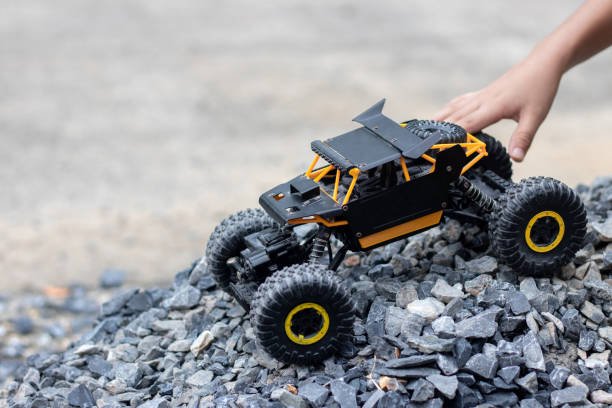
RC car repair builds problem-solving skills because kids must diagnose what failed, find the cause, and fix it, which is the same troubleshooting process engineers and technicians use. A broken suspension arm or stripped gear isn’t a failure; it’s a puzzle. Kids learn to isolate the problem, identify the correct replacement part, and test their solution. Families who search for rc car repair near me often discover that a hobby shop doubles as a classroom, because staff can show kids what broke and why. Customer reviews of R/C Hobby Nook mention staff who help people find the right parts and fix issues with their cars and trucks.
The troubleshooting steps kids practice:
- Observe the symptom
- Form a hypothesis about the cause
- Inspect and test parts
- Replace or adjust
- Retest and record the result
Resilience grows too, since crashes become lessons instead of disappointments.
Is the RC Hobby Affordable for Families Exploring STEM?
The RC hobby can be affordable because kids can start with a modest ready-to-run model and upgrade gradually, spending only on parts that teach something new. Replacement parts cost far less than a new vehicle, so repairs stay manageable. Looking at affordable rc drift cars or small-scale options like 1/24 crawlers and Mini-Z lets families match the hobby to their budget. A local shop can recommend what fits a child’s age and skill, so parents avoid buying models that are too fast or too fragile.
Budget-friendly tips:
- Start with a ready-to-run model
- Choose smaller scales such as 1/24 crawlers or Mini-Z
- Keep spare parts for common break points
- Ask staff which upgrades offer the biggest learning payoff
- Attend a practice session before buying
What Soft Skills Do Kids Gain in an RC Community?
Kids gain teamwork, patience, communication, and sportsmanship in an RC community, which complement technical STEM skills. At a hobby shop, a ten-year-old might get tuning advice from an experienced racer and then share it with a newcomer. Reviews of R/C Hobby Nook describe a community feel around the track, where even customers help each other. Events such as drifting, Mini-Z racing, and crawling competitions teach kids to prepare, manage nerves, and accept results gracefully.
How Do I Find the Right RC Hobby Shop Near Me for My Child?
The right shop has knowledgeable, patient staff, a broad parts selection, and a place for kids to try the hobby. When searching for an rc car hobby shop near me, check for the following:
- Staff who explain concepts in beginner-friendly terms
- On-site tracks or courses where kids can test their builds
- Regular events that welcome beginners
- Parts availability and repair help
- Hours and schedules that fit your family
R/C Hobby Nook, located at 150 S Equity Dr Ste D in Smithfield, NC, has been family owned since 2013 and carries more than 100 brands, with indoor setups for drifting, Mini-Z, slot cars, and crawling. Call 919-934-5931 to confirm current schedules before visiting.
What Age Should Kids Start Exploring STEM With RC?
Kids can begin as early as elementary school with adult help, and the hobby grows with them through the teen years. Younger children enjoy driving and basic assembly, middle schoolers can handle tuning and simple repairs, and teens often dive into electronics, setup data, and competition. Staff can suggest age-appropriate models, and safe battery handling matters at every age.
Final Thoughts: Why an RC Hobby Shop Belongs in Your Child’s STEM Journey
An RC hobby shop gives kids a rare mix of real tools, real problems, and real mentors. They build engineering skills at the workbench, learn physics on the drift track, explore circuits with slot cars, and practice troubleshooting with every repair. With affordable rc drift cars to start, helpful staff, and a supportive community, the hobby is accessible to most families. If you’re ready to start, look up an rc car hobby shop near me, visit during a practice session, and let your child’s curiosity lead the way.