How Do You Start RC Crawling or Drifting?
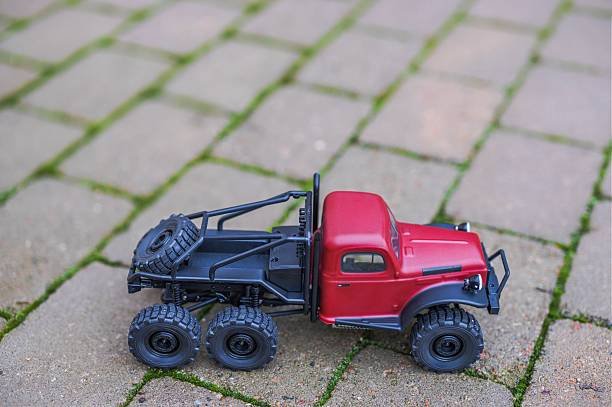
To start RC crawling, buy a ready-to-run 1/10 scale 4WD rock crawler, add a 2S or 3S LiPo or NiMH battery, and practice on rocks, logs, and slopes. To start RC drifting, choose a rear- or all-wheel-drive drift chassis with a gyro and hard drift tires, then practice on smooth, flat surfaces. Both hobbies can begin for about $100 to $300.
Crawling vs. Drifting: Which One Is Right for You?
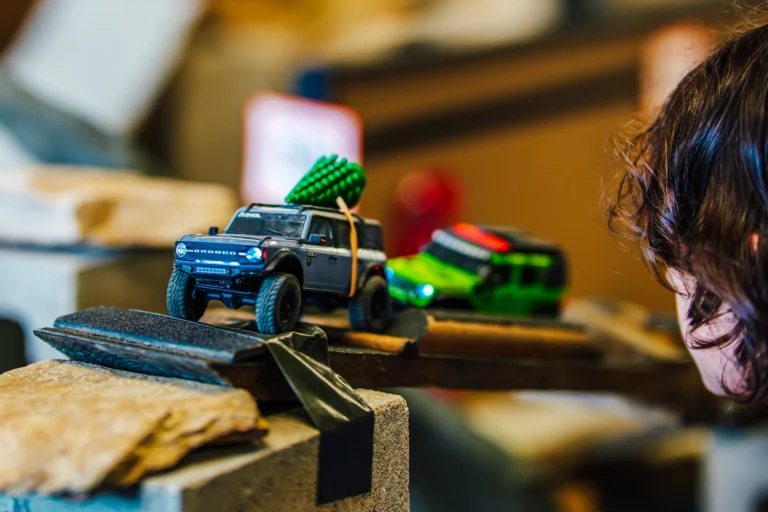
RC crawling and RC drifting are both beginner-friendly, but they reward very different skills. Crawling is about patience, line choice, and precision at low speed over obstacles. Drifting is about throttle control, steering balance, and smooth, flowing slides on pavement or polished floors. Use the table below to decide.
| Feature | RC Crawling | RC Drifting |
| Speed | Slow and controlled | Fast and fluid |
| Terrain | Rocks, dirt, logs, slopes | Smooth asphalt, concrete, polished tile |
| Skill focus | Line choice and balance | Throttle and steering control |
| Typical scale | 1/10 (also 1/18, 1/24) | 1/10 and 1/28 mini |
| Best for | Outdoor explorers, tinkerers | Car-culture fans, indoor racers |
| Starter budget | $100 to $300 | $100 to $350 |
If you love scale detail, trail adventures, and building a realistic rig, start with crawling. If you love style, tire smoke energy, and tight group sessions, start with drifting. Many hobbyists end up trying both.
How to Start RC Crawling: Step by Step
Getting into RC crawling takes five simple steps: pick a vehicle, choose power, learn the basics, find a course, and upgrade gradually. An RC crawler is built for torque and traction rather than speed, which makes it one of the safest and most forgiving ways to enter the hobby.
Step 1: Choose a Ready-to-Run RC Crawler
For beginners, a ready-to-run (RTR) 1/10 scale crawler is the easiest path, since the radio, motor, and electronics come installed. Look for these features:
- 4WD with locked or limited-slip differentials for dependable climbing
- Solid axles with decent articulation so the tires stay planted on uneven terrain
- A high-torque steering servo for precise control
- Soft, sticky tires with foam inserts for grip on rock
- A waterproof or water-resistant ESC if you plan to cross puddles and streams
Step 2: Pick Your Power System
Crawlers use low-speed, high-torque motors, usually brushed motors in the 55T to 80T range for beginners, because they offer smooth throttle response at crawling pace. Pair the motor with a 2S LiPo or a NiMH battery, depending on what your vehicle supports. Always use a charger that matches your battery chemistry.
Step 3: Learn Line Choice and Throttle Feathering
The core crawling skill is choosing a line before you climb. Walk the course, plan your route, and use tiny throttle inputs instead of full power. Keep your weight low, use the brake to hold on slopes, and back up and reset instead of forcing a bad climb.
Step 4: Find or Build a Course
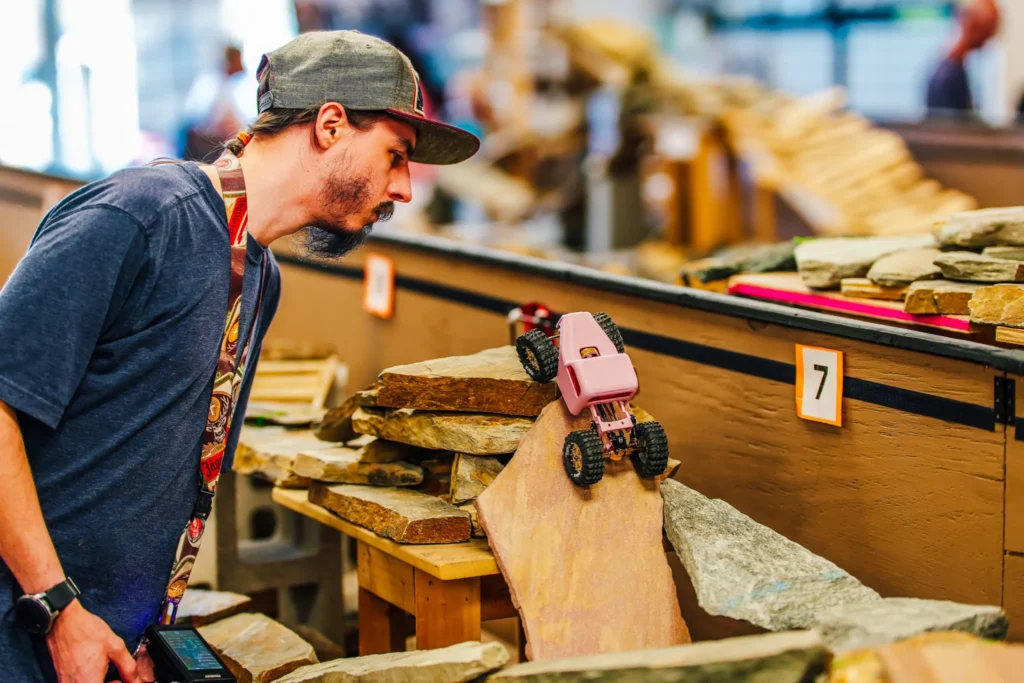
You do not need a competition course. A backyard pile of rocks, a park trail, or a few bricks and boards will do. Many local clubs also host casual trail days where beginners can learn from experienced drivers.
Step 5: Upgrade Gradually
Resist the urge to upgrade everything at once. Drive stock for a few sessions, note what holds you back, and then fix that one thing. This is where good rock crawler RC parts come in, covered in the next section.
Best Rock Crawler RC Parts to Upgrade First
The best first upgrades for an RC crawler are tires, weight, and the steering servo, because they improve traction and control the most per dollar. Upgrade in this order for the best results.
| Upgrade | What It Does | Priority |
| Tires and foam inserts | Boost grip on rock and dirt | High |
| Brass wheel weights or knuckles | Lower the center of gravity, add traction | High |
| High-torque metal-gear servo | Improves steering strength and precision | High |
| Aluminum shocks and links | Better durability and articulation | Medium |
| Locked differentials | Equalize power to all wheels | Medium |
| Lighter or scale bodies | Realism and weight balance | Low |
When shopping for RC car parts, check that each item is compatible with your model’s scale, axle width, and mounting pattern. A reputable RC car store will list compatibility details and can help match parts to your exact vehicle.
How to Start RC Drifting: Step by Step
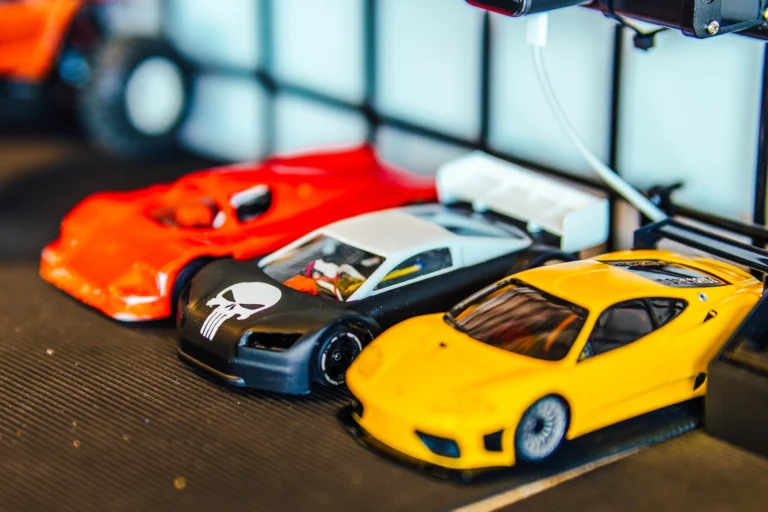
RC drifting begins with a purpose-built drift chassis, a gyro-equipped steering system, and hard plastic tires that slide easily on smooth surfaces. The goal is not to go fast but to hold a controlled slide while linking corners smoothly.
Step 1: Pick a Drift Chassis
Beginners usually choose between two layouts:
- Rear-wheel drive (RWD): The most realistic and rewarding style, favored by dedicated drifters, but it takes more practice.
- All-wheel drive (AWD): More forgiving, since it recovers from mistakes more easily, which is a great starting point.
Popular scales include 1/10 for full-size drift cars and 1/28 for compact indoor setups.
Step 2: Use a Gyro
A drift gyro automatically counter-steers as the car slides, which helps the car hold an angle. Most modern RTR drift cars include one, and it is the single biggest reason beginners can drift within their first session.
Step 3: Choose the Right Tires and Surface
Drift tires are made of hard plastic compounds that reduce grip. Smooth concrete, sealed garage floors, polished tile, and dedicated drift carpet or boards all work well. Rough asphalt wears tires quickly, so avoid it when starting out.
Step 4: Practice Basic Drills
Start with these exercises:
- Donuts: Hold a circle to learn throttle and steering balance.
- Figure eights: Practice transitioning from left to right slides.
- Simple S-curves: Link two drifts in a row.
- Cone courses: Add markers for precision and repeatability.
Keep sessions short and review what felt smooth versus jerky. Consistency beats raw speed in drifting.
Mini RC Drifting Cars: The Best Way to Drift Indoors
Mini RC drifting cars are ideal for beginners with limited space, since they run on a tabletop, a kitchen floor, or a small garage. These 1/24 to 1/28 scale cars are affordable, quiet, and surprisingly capable, and they let you practice real drifting technique without needing a parking lot.
Kyosho’s Mini-Z platform is a long-standing favorite, with a huge selection of bodies, tires, and upgrade parts. If you are searching for mini z racing near me, check with your local RC hobby shop or RC club, since many host indoor race nights, carpet tracks, and drift meets. Even a small group of friends can make a casual league from a single room.
Popular RC Car Brands for Crawling and Drifting
Choosing among RC car brands is easier when you match the brand to your goal. The table below lists well-known names and what they are typically known for.
| Brand | Known For | Good For |
| Axial | Trail and scale crawlers (SCX series) | Crawling |
| Traxxas | Durable RTR trucks and TRX-4 crawlers | Crawling, beginners |
| Redcat Racing | Affordable crawlers and trucks | Budget crawling |
| Element RC | Scale trail and Enduro crawlers | Crawling |
| MST | RWD and AWD drift chassis | Drifting |
| Yokomo | Competition-level drift cars | Drifting |
| Kyosho | Mini-Z micro racers | Mini racing and drifting |
| Tamiya | Kits and classic builds | Building, both hobbies |
Whichever brand you choose, check that spare parts are readily available. Strong parts support is one of the most overlooked factors for new hobbyists.
How Much Does It Cost to Start?
Most beginners can get started with a decent RC crawler or drift car for between $100 and $350, including a battery and charger. Plan your budget around the full package rather than the car alone.
| Budget | What You Can Expect |
| $100 to $150 | Entry-level RTR crawler or mini drift car, basic battery and charger |
| $150 to $250 | Better RTR crawler or AWD drift car with a gyro, upgraded electronics |
| $250 to $350+ | Premium RTR crawler or competition-ready drift chassis with strong parts support |
Set aside an extra 10 to 20 percent of your budget for spare batteries, tools, and first repairs. These small items make a big difference to how much run time you get.
Why Buy from an RC Car Store or Hobby Shop?
A dedicated RC car store gives you hobby-grade quality, compatible parts, and expert help that big-box retailers simply cannot match. A good RC hobby shop can help you choose the right vehicle, set up your electronics, and troubleshoot problems in person.
Here is what to look for:
- Knowledgeable staff who can explain crawler gearing or drift gyro setup
- A wide range of RC car parts and upgrades in stock
- Clear return and warranty policies
- Local events such as crawl days, drift nights, or Mini-Z races
- Online ordering with accurate compatibility information
Shops like RC Hobby Nook focus on helping beginners find the right vehicle and the right parts the first time, which saves money and frustration.
Common Beginner Mistakes to Avoid
Most new RC crawling and drifting problems come from a handful of repeat mistakes. Avoid these and you will progress much faster:
- Buying a toy-grade car: Toy-grade models cannot be upgraded or repaired like hobby-grade ones.
- Skipping the manual: Gearing, battery, and charging details are in there for a reason.
- Upgrading too early: Learn the stock car first.
- Mismatched batteries and chargers: This can damage equipment and is a safety risk.
- Neglecting maintenance: Clean dirt and grit after every crawling session, and check screws regularly.
Final Thoughts: Start Small, Learn Fast, Have Fun
RC crawling and drifting are two of the most rewarding corners of the RC hobby, and both are easy to enter with the right guidance. Pick the style that excites you, buy a hobby-grade ready-to-run vehicle, learn the fundamentals, and upgrade one part at a time.
Ready to begin? Visit your favorite RC car store to browse RC crawlers, compare RC car brands, and stock up on the RC car parts you need for your first run. Your first climb or first clean slide is only a short trip away.